
About
TMJ Problems and Bruxism
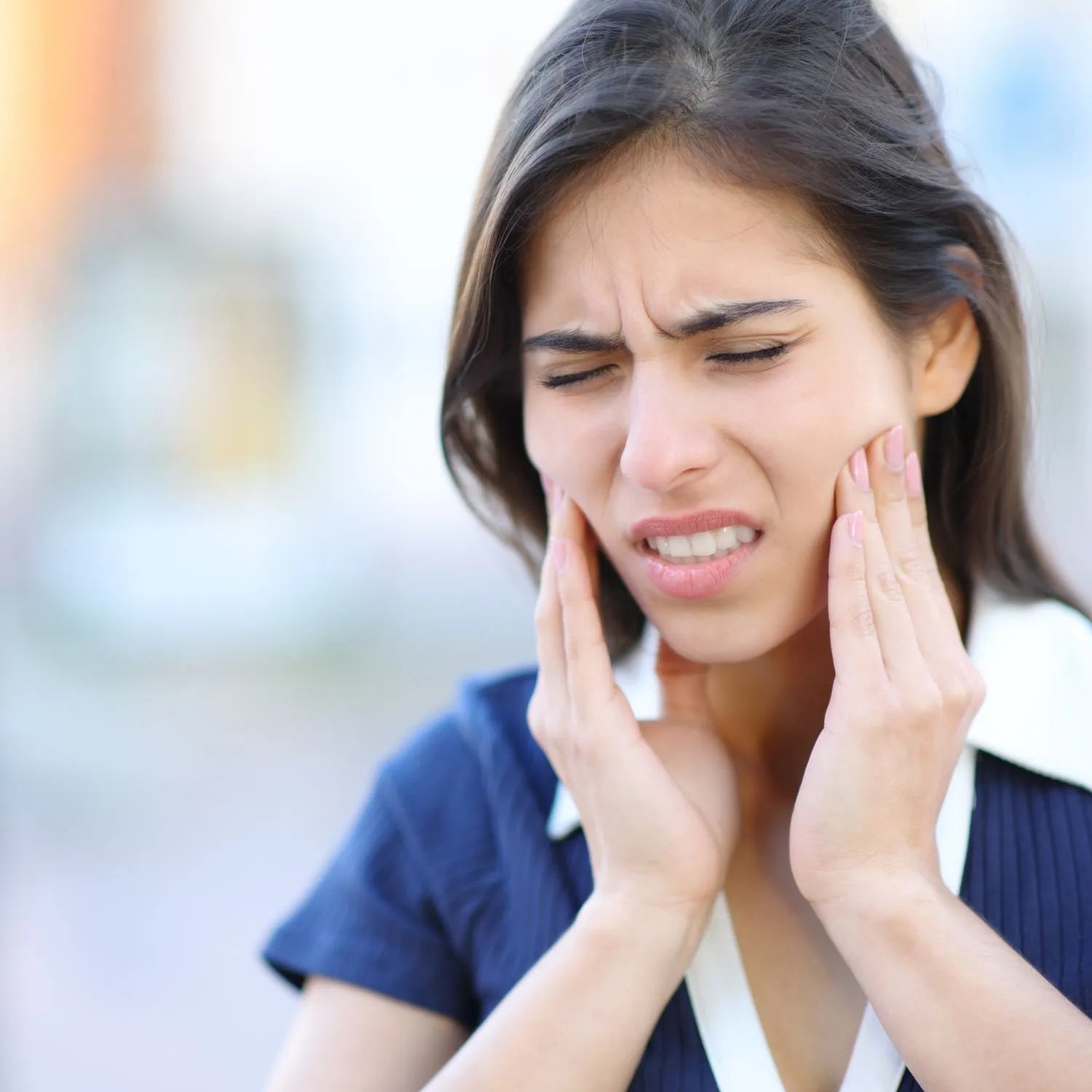
Patients experiencing jaw pain, frequent headaches, or teeth grinding are not alone. Many of the patients seen by Dr Fern Jean-Joseph present with these concerns, often linked to TMJ disorders or bruxism (teeth grinding). What is less widely known is that Botox, commonly associated with cosmetic treatments, can also provide effective relief from these painful functional conditions.
"As an orthodontist, my goal is not only to align your teeth but also to improve your overall oral health and comfort. For patients dealing with TMJ pain or clenching and grinding, Botox has become one of the most effective and minimally invasive treatment options I offer."
Dr Fern
About
How Does Botox Help with TMJ and Bruxism?
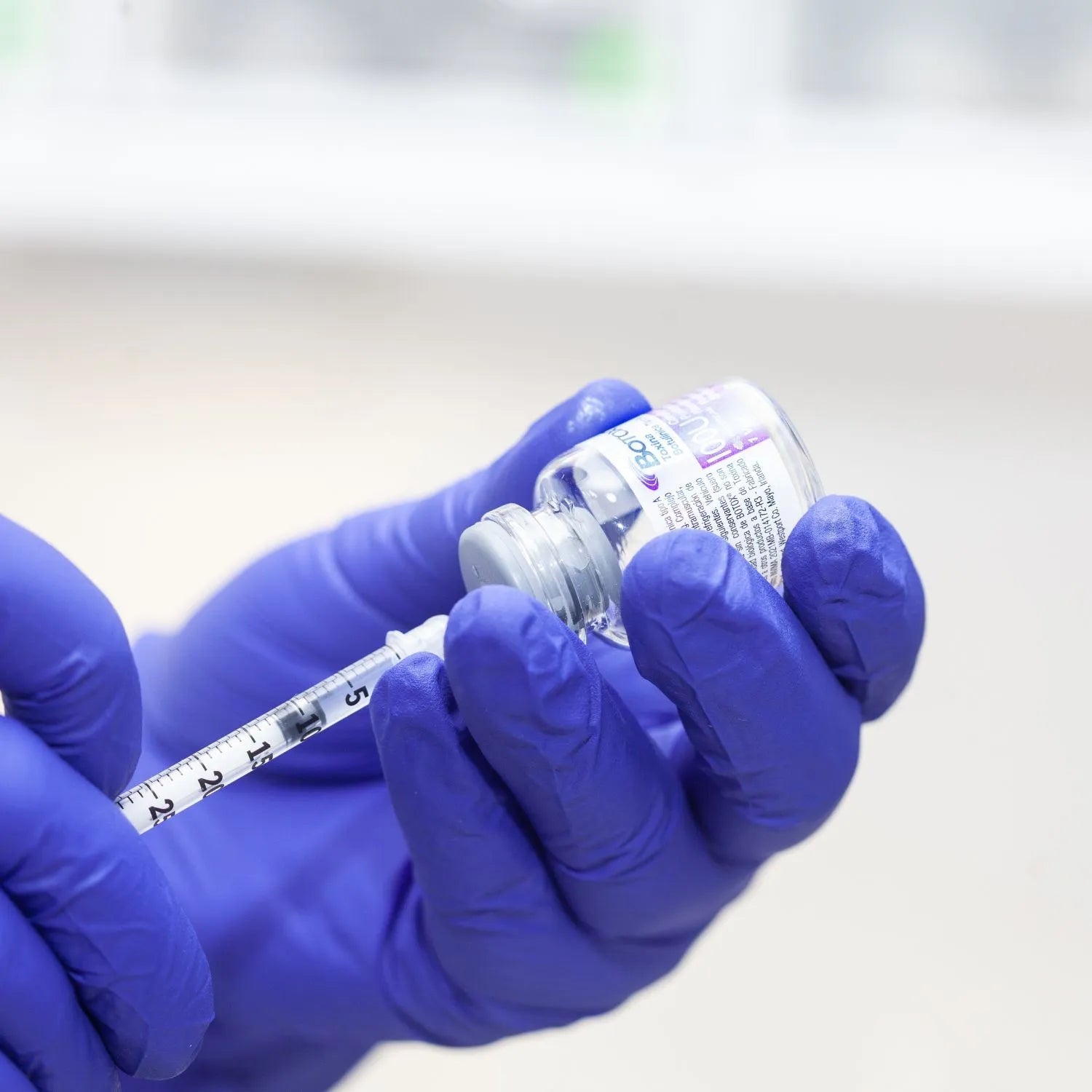
Botox works by relaxing the overactive jaw muscles — particularly the masseter and sometimes the temporalis — which are responsible for clenching, grinding, and the tension that causes TMJ discomfort. By calming these muscles down, Botox helps break the cycle of pain, inflammation, and damage.
Patients often notice:
• Reduced jaw tension and pain
• Fewer headaches
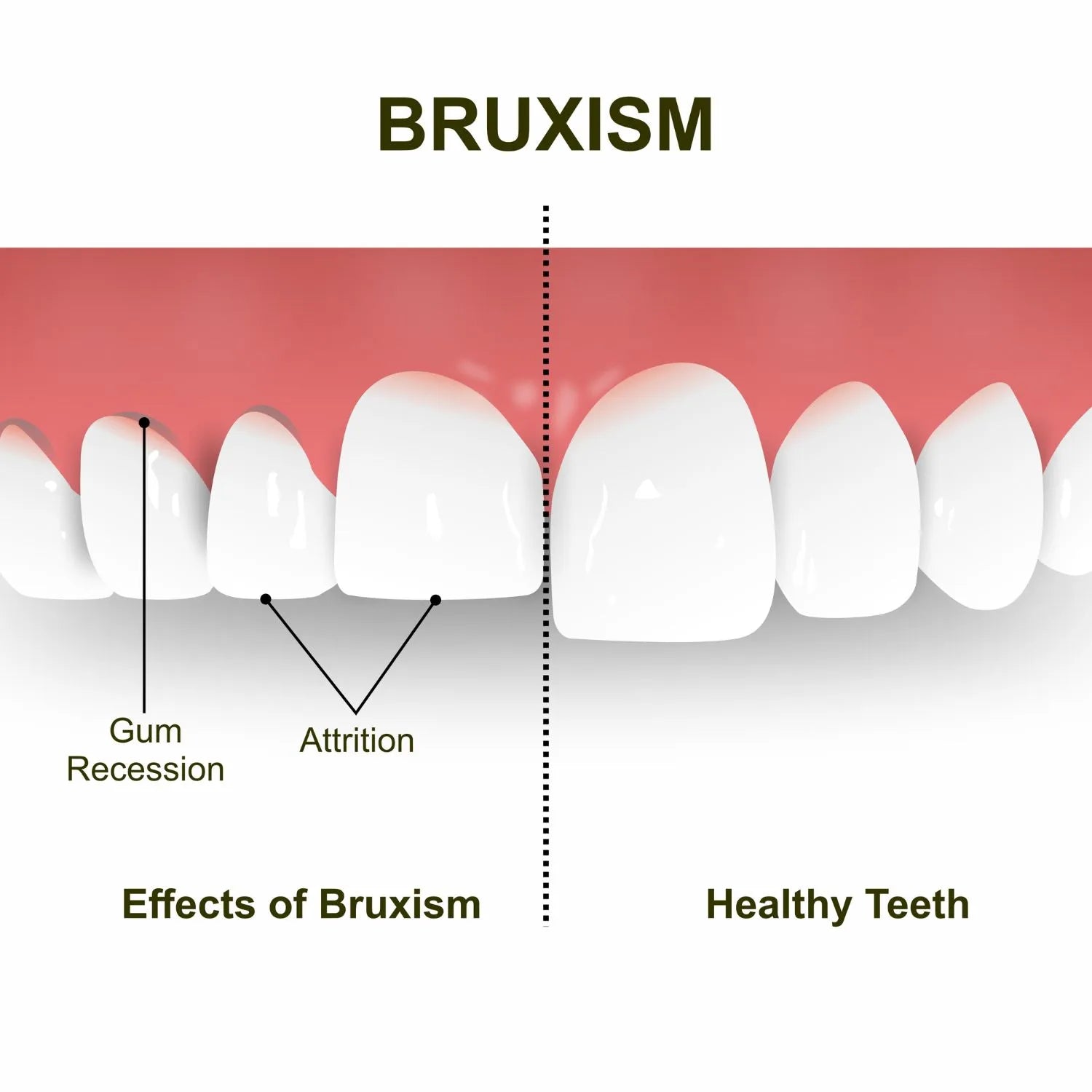
• Less wear on teeth due to grinding
• An overall improvement in comfort and sleep
About
The Process: Simple and Quick
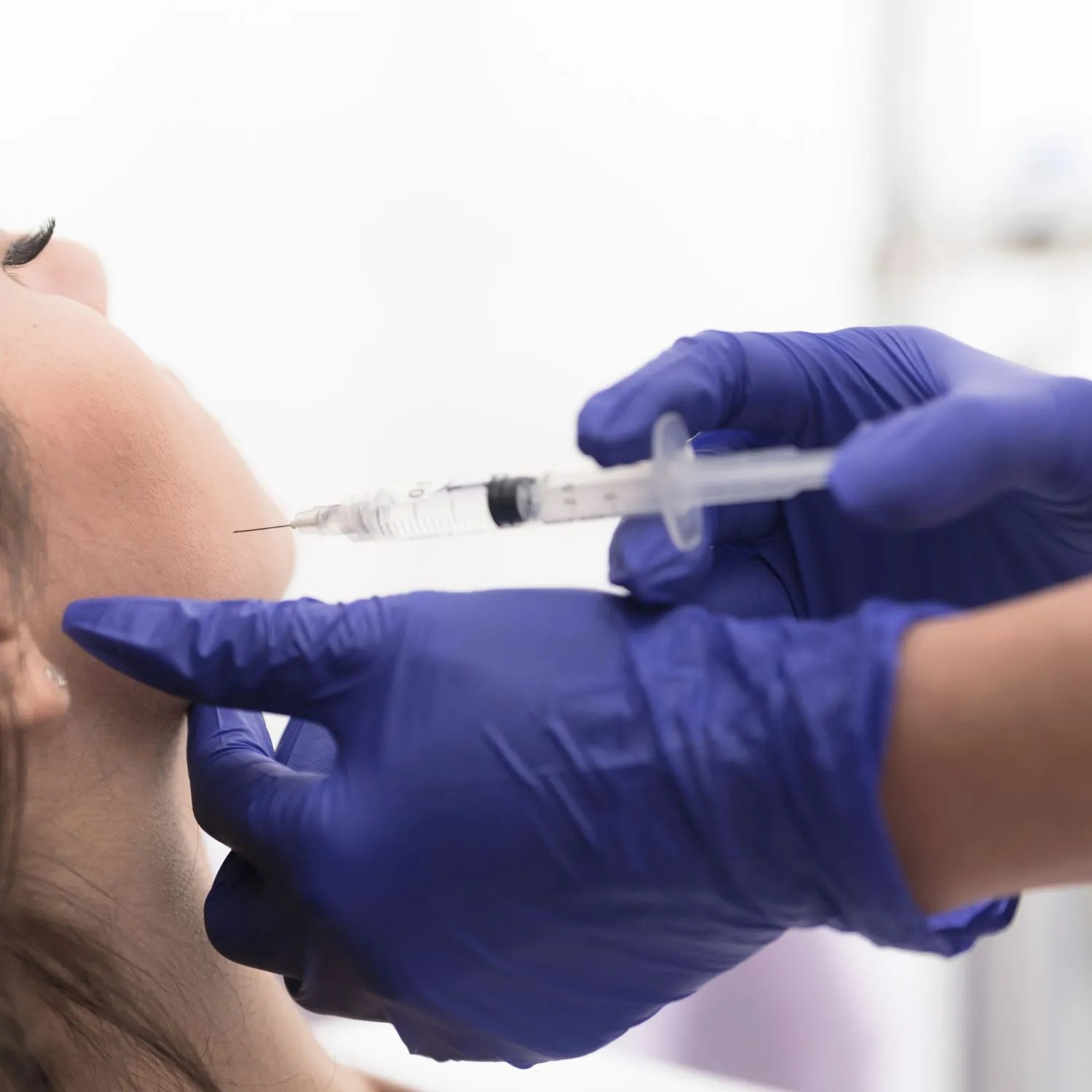
Administering Botox for TMJ disorders or bruxism is a straightforward and virtually painless procedure. Dr Fern Jean-Joseph typically uses three small injections, most often into the masseter muscle, although this may vary depending on each patient’s individual needs. The dosage is carefully tailored to the strength and size of the muscle, allowing natural movement to be maintained while reducing harmful overactivity.
The procedure takes less than 15 minutes and requires no downtime, meaning patients can return to their normal activities immediately after the appointment.

About
How Long Does It Last?
The effects of Botox typically begin to appear within a few days, with maximum relief usually felt after 1 to 2 weeks. Most patients experience benefits lasting around 3 to 4 months, and regular maintenance treatments can help keep symptoms such as jaw tension, pain, and teeth grinding under control in the long term.
About
Is Botox Right for You?
For patients who have tried night guards, stress management techniques, or pain medication with limited success, Botox may be the next step. This treatment is not about aesthetics alone; it is about giving the jaw muscles a real break and relieving excessive tension. Whether symptoms include bruxism, TMJ-related headaches, or muscle soreness, Botox can offer effective, targeted relief.
Patients who would like to learn more or find out if they are suitable candidates are invited to book an appointment at Queen’s Gate Dental Practice. The team would be happy to discuss options and help patients return to comfort, and to smiling with ease again.
Need help?
Frequently Asked Questions
Bruxism is the medical term for teeth grinding or jaw clenching, often happening during sleep or stressful situations. Over time, it can lead to jaw pain, worn-down teeth, headaches, and TMJ disorder
Botox relaxes the overactive jaw muscles, particularly the masseter and temporalis. By reducing muscle activity, Botox helps relieve jaw tension, reduce teeth grinding, and ease TMJ-related pain.
Not at all. Most patients say the injections feel like a small pinch. The procedure is quick; usually less than 15 minutes and requires no downtime.
Typically, I use 3 small injections in each masseter muscle, but the exact number may vary depending on muscle size and severity of your symptoms.
Most patients experience relief for about 3 to 4 months. After that, we can schedule maintenance treatments to keep symptoms under control.
Side effects are rare and usually mild, such as slight swelling or bruising at the injection site. You’ll still be able to chew, speak, and smile normally.
When done properly, no. The goal is to reduce pain, not change your appearance. However, some patients with enlarged jaw muscles may notice a subtle slimming of the face over time.
Yes! Botox can be used alongside night guards, physical therapy, or orthodontic treatments. I’ll work with you to develop a plan that fits your needs.


@drfernjeanjosephorthodontist


Get the latest informations

Get the latest informations