
Blog

White Spots Around Braces? Here’s What You Need to Know
Have you noticed white marks around braces on some smiles? Those are called white spot lesions, and they’re an early sign of enamel decalcification, often caused by poor oral hygiene during orthodo...
Read more
Which Moves Teeth Faster: Braces or Invisalign?
One of the most frequent questions I get is:“Do teeth move faster with fixed braces or Invisalign?” The truth is: it depends on the case. In general, fixed braces can move teeth slightly faster, es...
Read more
Why is a check-up of your bonded retainers important?
Your bonded retainer is made of a wire covered with composite material, which naturally wears down over time, especially where it rubs against certain teeth (particularly the upper retainer). As th...
Read more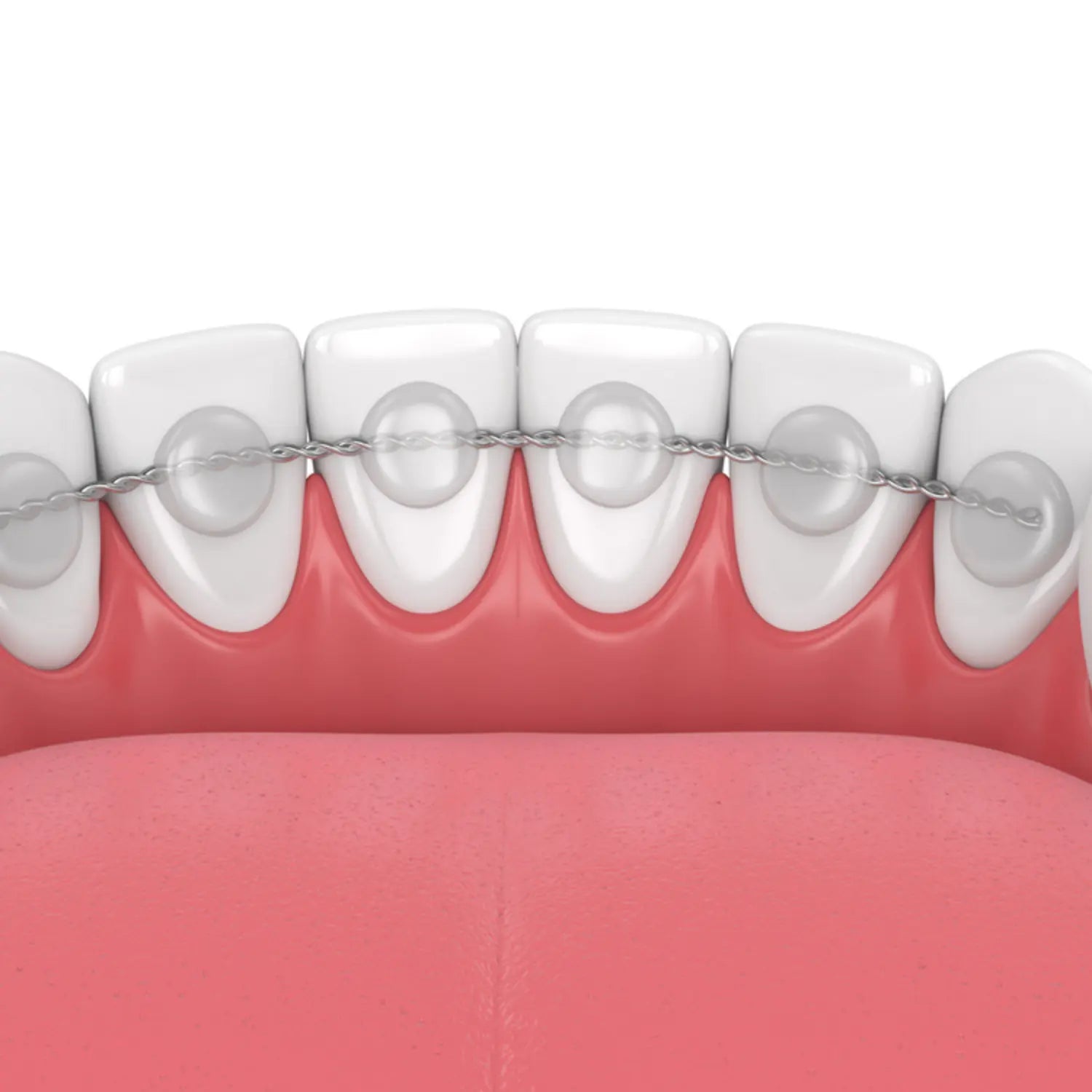
Not All Retainers Are the Same! 🦷✨
After orthodontic treatment, maintaining your beautiful results is essential! A bonded retainer placed behind the upper and lower front teeth (from canine to canine) helps keep your smile straight ...
Read more
Thumb-Sucking: Dr Fern's Gentle Approach
Helping Children Let Go of Thumb-Sucking: The “Bad Friend” Approach
Over the years, Dr Fern Jean-Joseph came to understand that stopping thumb-sucking is not a matter of discipline, force, or reward. It is a matter of relationship and separation, and for a child, that relationship is very real.
When thumb-sucking is identified during a consultation, Dr Fern gives the thumb special attention. She examines it carefully, almost respectfully, then turns to the child and asks what makes it so special. The atmosphere is light, playful, and often filled with laughter. But beneath the humour, something important begins to take shape.
The thumb is then introduced as a friend.
Not an enemy — a friend.
And that distinction is crucial.

Dr Fern explains that in life, there are good friends and bad friends. Bad friends can feel nice to be around. They can be comforting. But they also encourage bad things, and when trouble comes, they disappear and leave you to deal with the consequences alone.
She then makes the parallel clear:
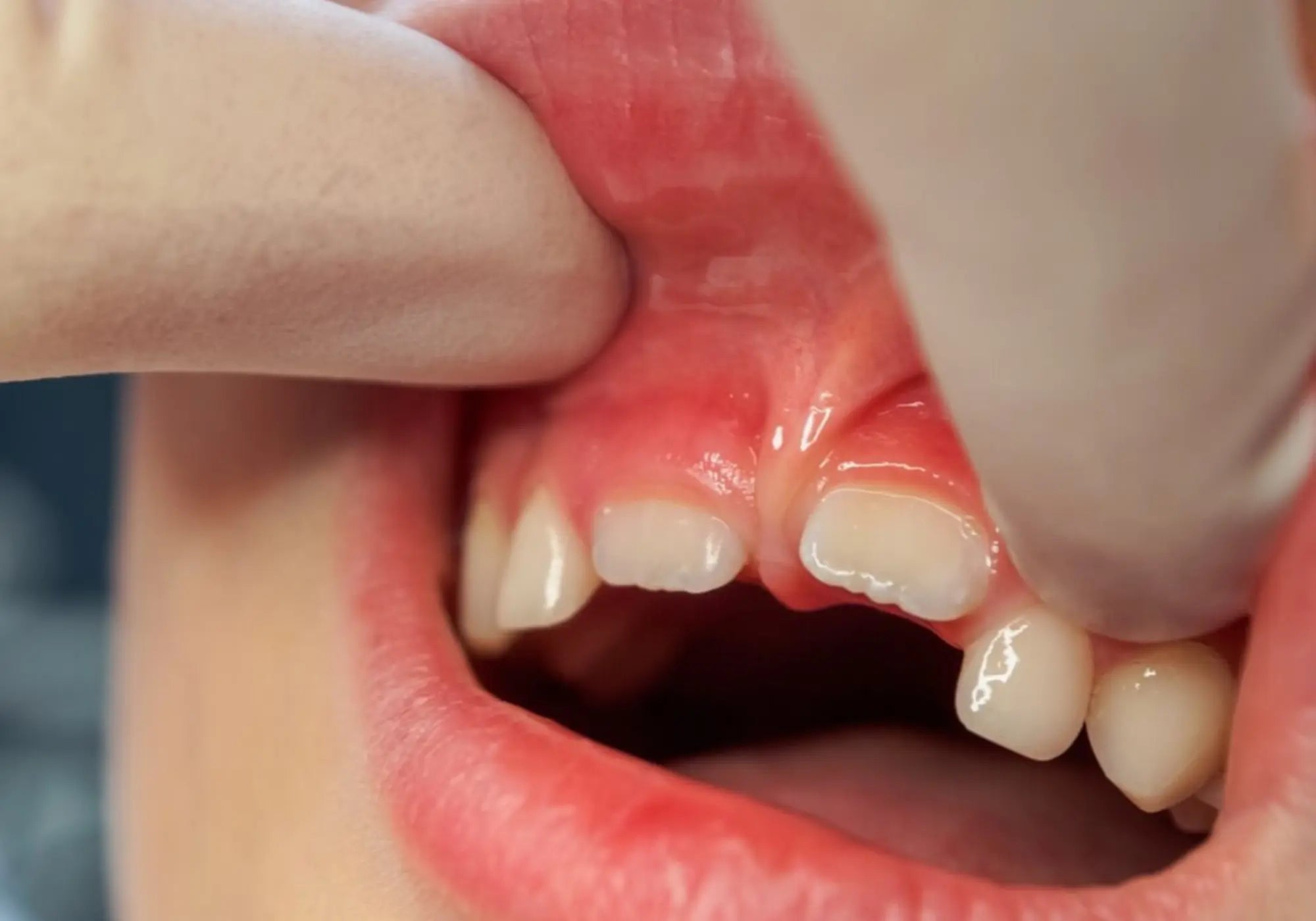
“This friend — your thumb — enjoys being in your mouth. But look at what has happened while it was enjoying itself. Look at the gap between your teeth. Look at how your mouth is changing. If this were a good friend, would it allow this to happen to you?”
The child begins to understand.
The thumb did not warn them.
It did not protect them.
It simply took what it wanted.

The bad friend is clever, Dr Fern explains. It doesn’t come when you are strong and alert. It comes when you are tired, distracted, half-asleep. That’s when it sneaks back.
This is where the sellotape comes in — not as a punishment, but as a signal.
A way for the child to notice when the bad friend is trying to return.
“If you want to keep sucking your thumb, you can remove the tape,” Dr Fern says. “That is your choice. But when you taste the tape, you realise what is happening, and then you decide. Do I let my bad friend win… or am I stronger than him?”
This moment is decisive.
The child realises the battle is theirs.
Dr Fern prepares them honestly for what will follow:
“Expect to be sad. Expect to cry. When you leave a friend — even a bad one — you feel sadness. That’s normal.”
Then she gives the child words they can use:
“I liked you. You made me feel better. But now I understand you are not a good friend, and I am going to let you go.”
Sometimes there is silence.
Sometimes tears appear quietly at the corner of the eyes.
Dr Fern allows that space. She breathes with the child, respects the emotion, and does not rush it.

Parents are then given one clear instruction: say nothing more. No reminders. No pressure. No comments. The responsibility belongs entirely to the child. Parents simply provide the tape and trust the process.
What follows is often remarkable.
Children arrive at the next appointment proud, glowing, eager to announce their decision. They have won. They have outsmarted the bad friend. The joy is real and shared by everyone in the room.
This method works not because it controls the child
but because it respects their intelligence, emotions, and strength.

This method is not about force.
It is about respect, understanding, and trust in a child’s inner strength.
And it works.
If your child is struggling with thumb-sucking, you don’t have to face it alone. Dr Fern Jean-Joseph would be happy to guide you and your child through this process with care and understanding. Consultations for this approach are recommended from around 6–7 years of age.
Book an appointment to explore whether this method is right for your child.


@drfernjeanjosephorthodontist


Get the latest informations

Get the latest informations